

Most sticker companies don’t actually make stickers.
They outsource them, mark them up, and hope you don’t ask questions.
Most sticker companies are marketing companies. We are a production company.
We manufacture stickers in-house, so this is the real process — from your file to the finished product.
No fluff. No shortcuts. Just how it actually works.
🎨 Step 1: File Setup (Where Most Orders Go Wrong)

This is the #1 failure point.
If the file is wrong, the sticker will be wrong.
What works:
- Transparent PNG (no white background)
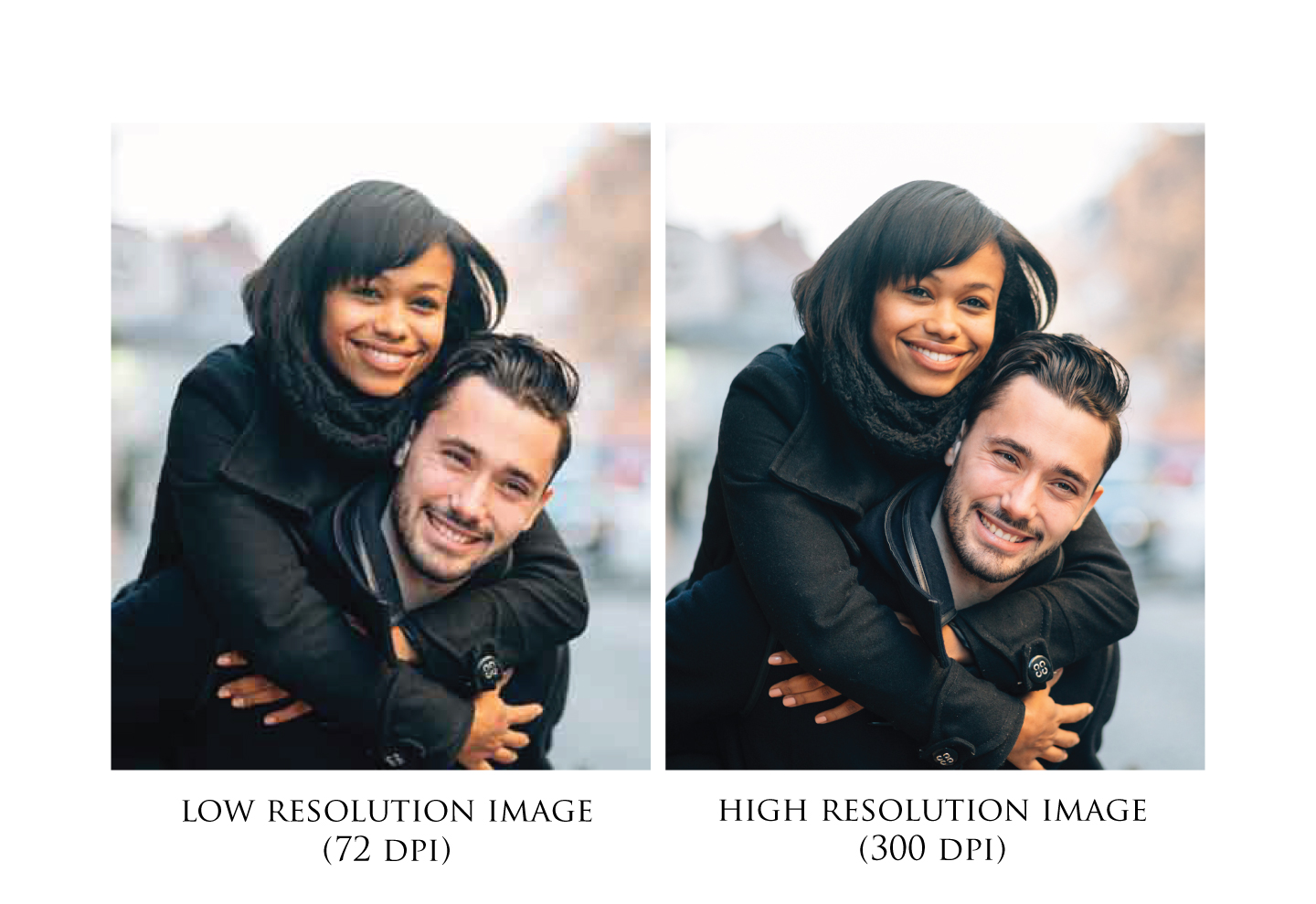
- High resolution (300 DPI recommended)
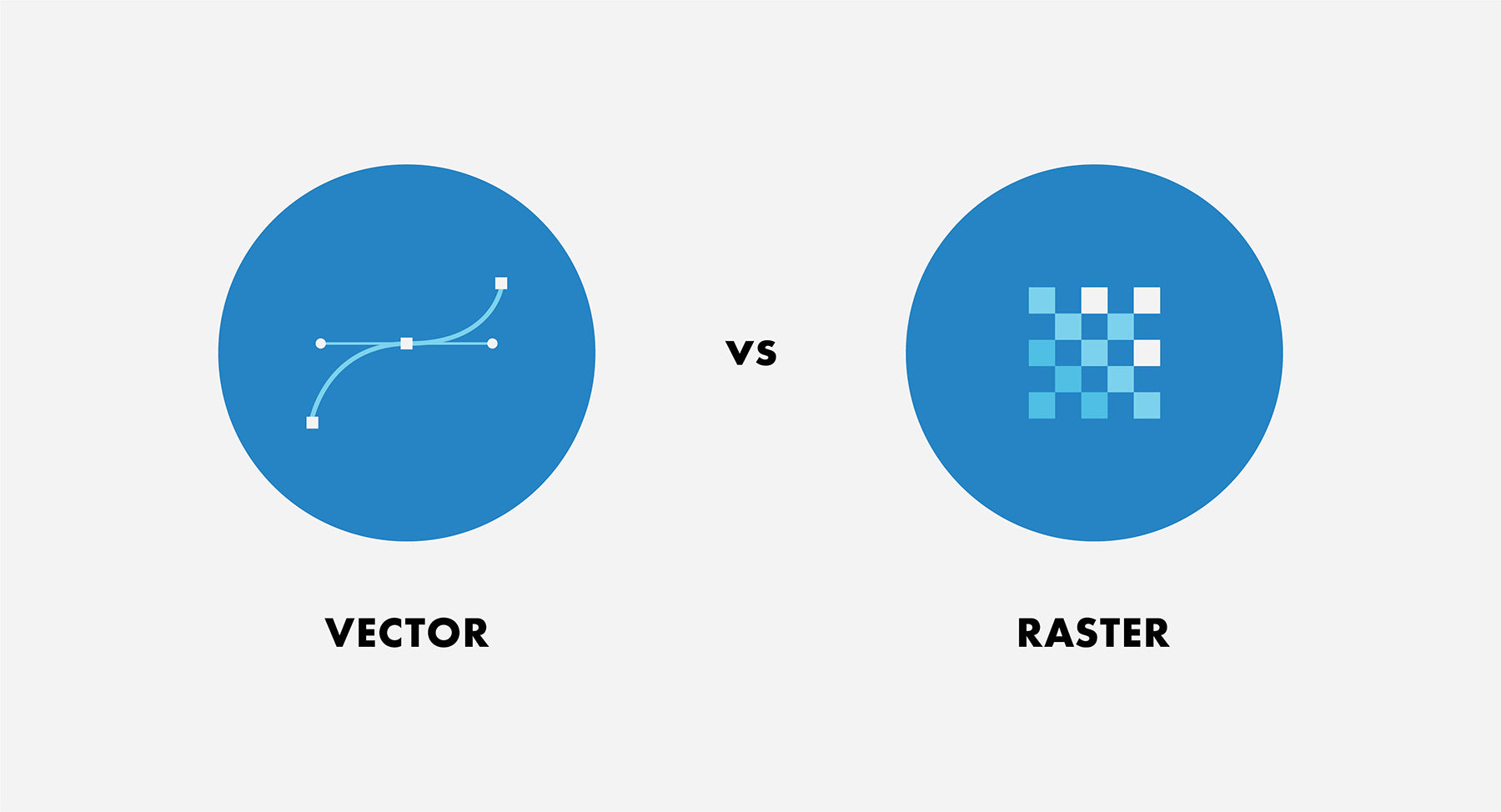
- Clean edges for cutting
- No screenshots or blurry images
If your file has a white box, your sticker will too.
If it’s low resolution, it will print exactly that way.
👉 If you’re looking for affordable options, see our guide on cheap custom stickers.
🖨️ Step 2: Printing (Where Quality Is Won or Lost)
This is where cheap stickers are made — or avoided.
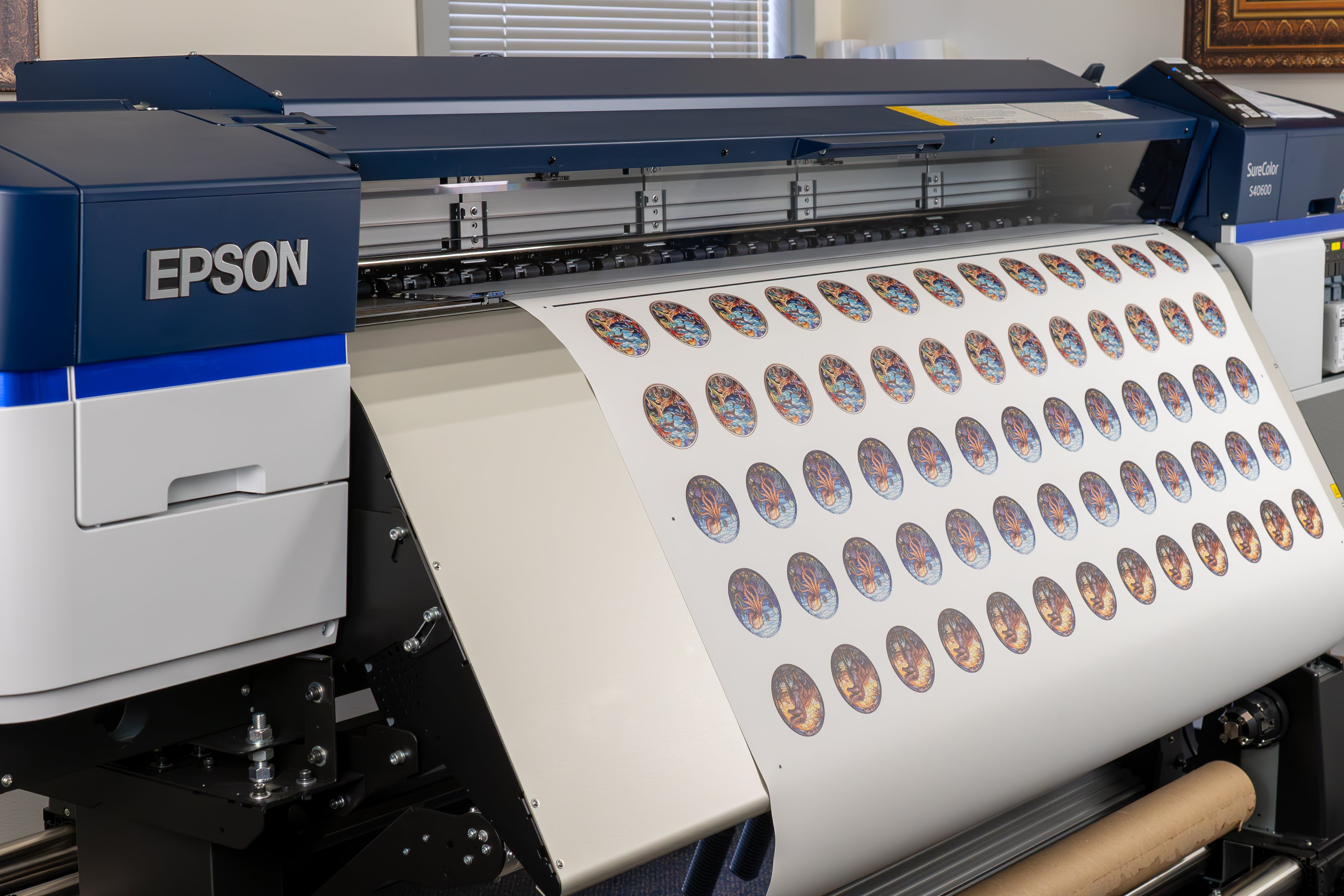
Professional sticker production uses:
- Wide-format printers
- Durable ink systems
- Materials designed for outdoor use
What actually matters:
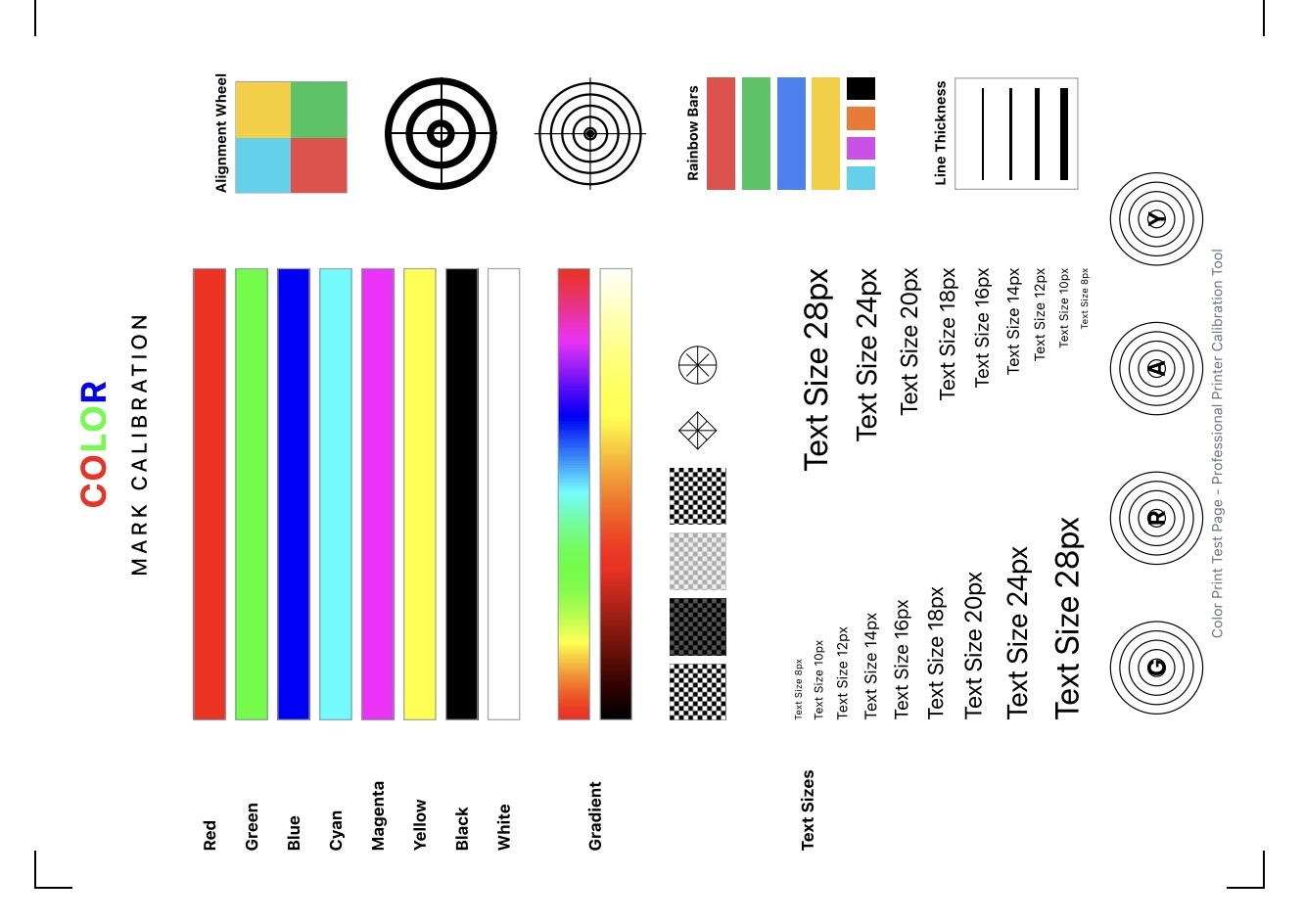
- Color accuracy
- Smooth gradients
- Ink durability
Low-end production produces dull, washed-out prints.
High-end production delivers depth, clarity, and consistency.
⏳ Step 3: Outgassing (The Step Most Shops Skip)
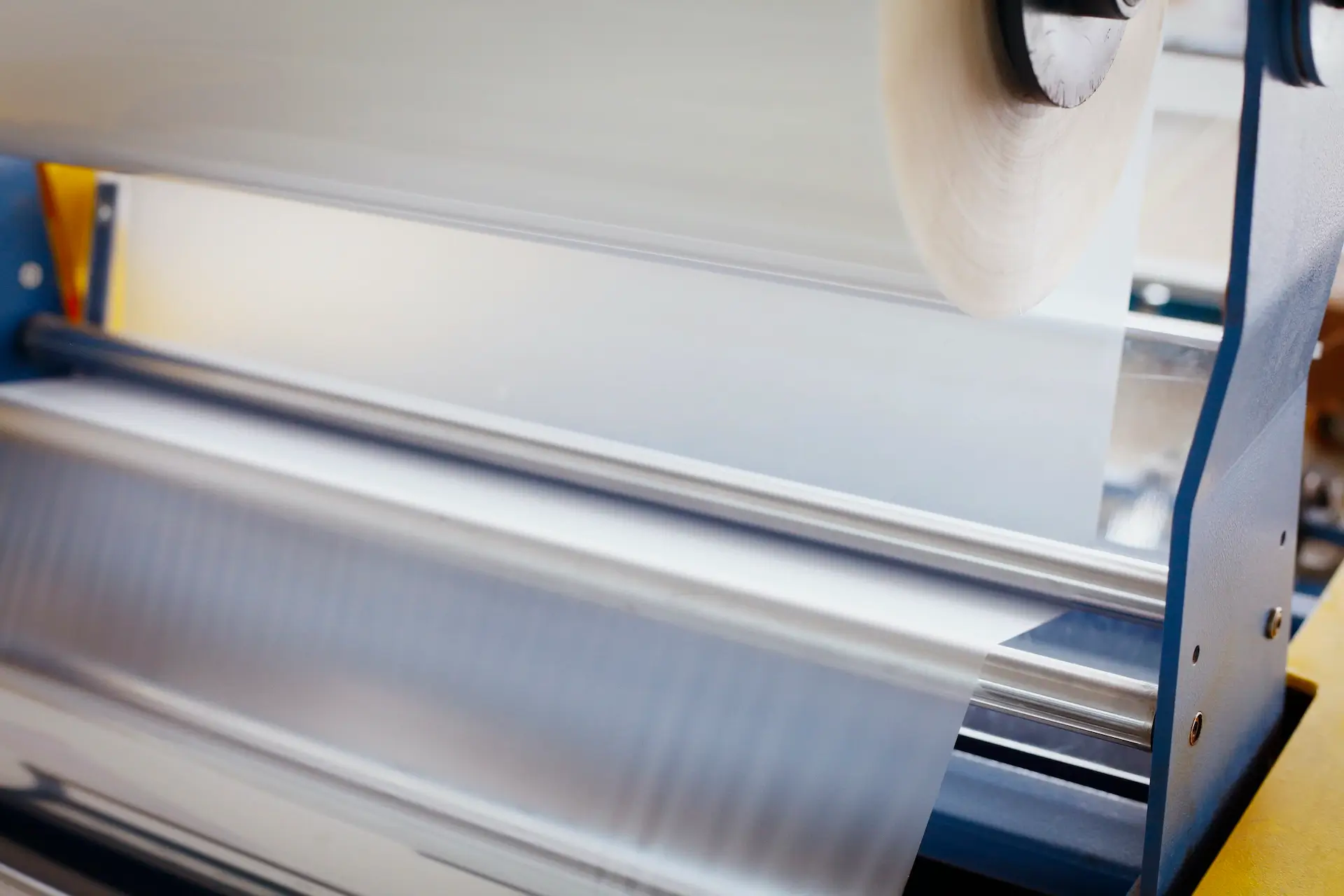
After printing, the job is not finished.
The material must sit and release gases from the ink before lamination. This is called outgassing.
Best practice:
- Minimum 24 hours
- Ideally 48–72 hours
If skipped:
- Laminate won’t bond correctly
- Bubbles can form
- Lifespan drops significantly
👉 Most sticker failures are not material failures — they are process failures.
🛡️ Step 4: Lamination (What Makes a Sticker Last Years)
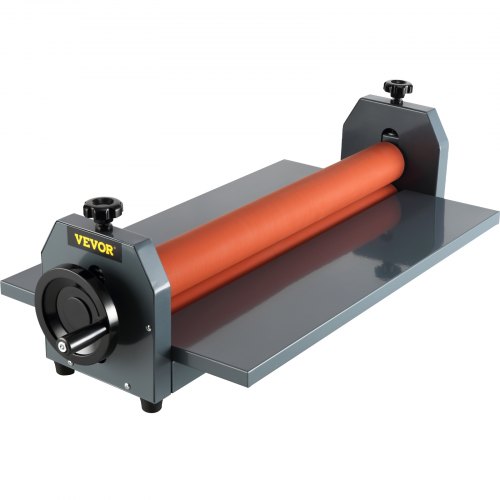

Lamination transforms a print into a durable product.
It adds:
- UV protection
- Waterproofing
- Scratch resistance
- Structural strength
We use hot lamination, which creates a stronger bond and better long-term performance.
Finish options:
- Gloss → vibrant, shiny
- Matte → smooth, non-reflective
Without lamination, stickers are temporary.
With proper lamination, they are built to last.
✂️ Step 5: Precision Cutting (Where Quality Shows)
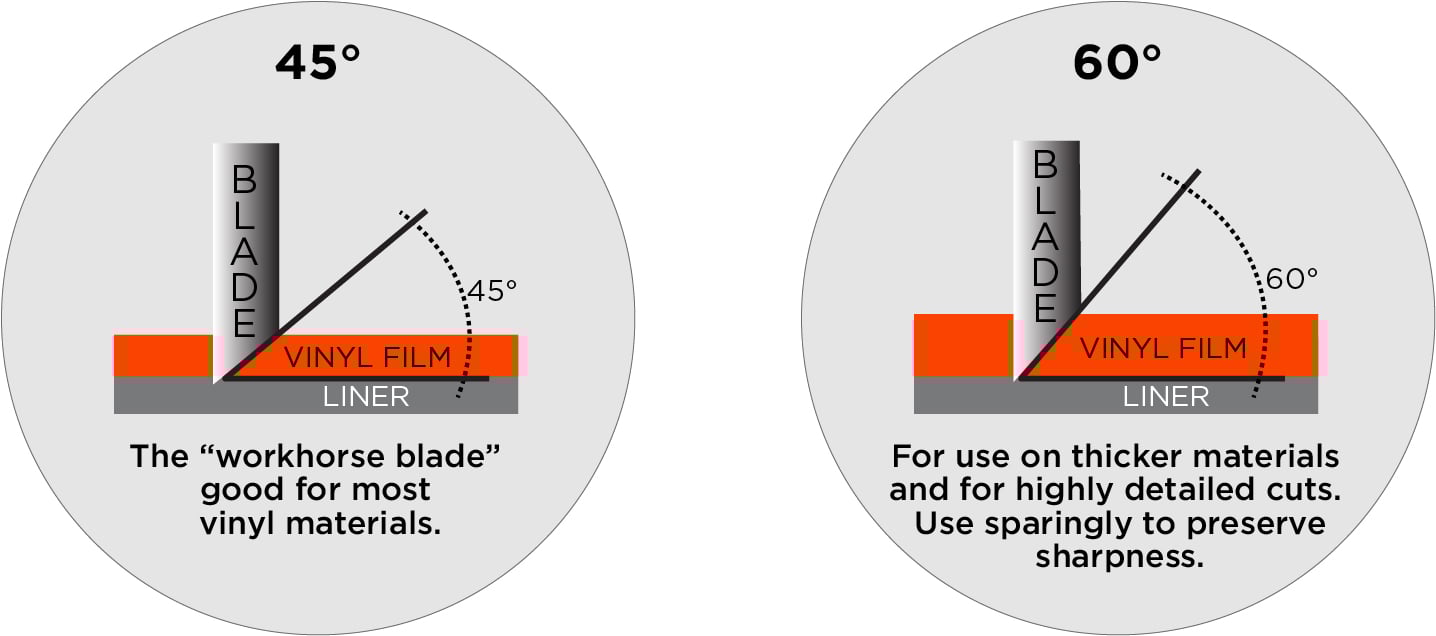
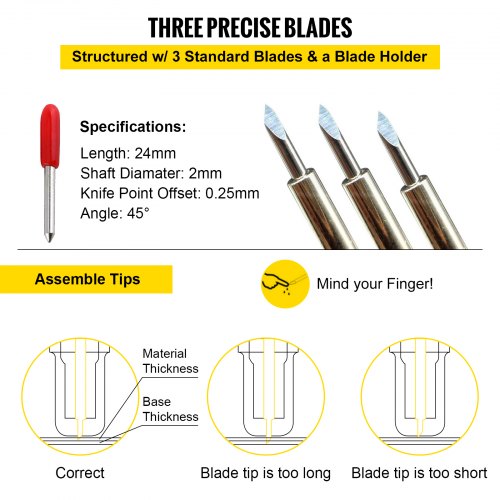
Stickers are cut using precision equipment.
This determines:
- Edge quality
- Shape accuracy
- Final appearance
Clean cuts = professional result.
Rough cuts = cheap result.
📦 Step 6: Finishing & Shipping

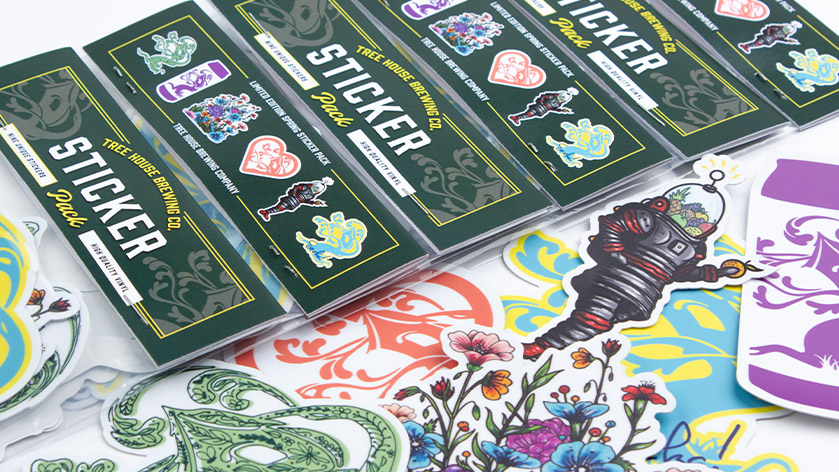
Final steps include:
- Quality control
- Counting and bundling
- Packaging
- Shipping
Consistency here matters just as much as production.
🧪 Real Durability: What to Expect (Spec vs Real World)
This is where most companies stay vague. We don’t.
📄 Material Performance
Professional vinyl materials are typically rated for:
- Around 4 years outdoor durability (baseline)
- Resistance to extreme temperatures (-40°F to 176°F)
Protective laminate adds:
- UV resistance
- Abrasion protection
- Extended ink life
- Multi-year outdoor performance
⚙️ What Actually Affects Lifespan
- Sun exposure
- Surface type
- Installation quality
- Environment
But most importantly:
👉 The production process
🔥 Why Our Stickers Last Longer
We follow the full process correctly:
- Proper printing
- Full outgassing (24–72 hours)
- Hot lamination
- Clean finishing
👉 This is the same process used for professional signage and long-term graphics.
⏳ Real-World Lifespan
- ~4 years outdoor (conservative baseline)
- 4–5+ years common
- 5+ years achievable depending on conditions
- Indoor lifespan significantly longer
In many cases, the sticker outlasts the surface it’s applied to.
🆚 UV vs Vinyl Sticker Printing (What’s Actually Better?)

You may have seen newer roll-to-roll UV printers.
So which is better?
👉 They are built for different purposes.
🧪 UV Printing
- Ink cures instantly
- Sits on top of the material
- Works on many surfaces
Great for:
- Rigid materials
- Specialty applications
⚙️ Vinyl Sticker Printing
- Ink bonds into the material
- Requires outgassing
- Protected with laminate
Built for:
- Flexibility
- Adhesion
- Long-term outdoor use
⚖️ The Real Difference
- UV → sits on top
- Vinyl → becomes part of the material
👉 That difference matters over time.
🏆 What’s Better for Stickers?
👉 Vinyl-based production with lamination
Because it delivers:
- Flexibility
- Durability
- Proven long-term performance
❓ Vinyl Sticker FAQs
How long do vinyl stickers last?
- Around 4 years outdoor (baseline)
- 4–5+ years common
- Longer indoors
Are vinyl stickers waterproof?
Yes, when laminated:
- Waterproof
- Weather-resistant
- Outdoor-ready
What is the difference between matte and gloss?
- Gloss → shiny, vibrant
- Matte → smooth, non-reflective
What surfaces work best?
- Glass
- Metal
- Smooth plastic
- Painted surfaces
Why do some stickers fail quickly?
Because of shortcuts:
- No lamination
- Poor materials
- Skipped outgassing
❓ UV vs Vinyl FAQs
Are UV stickers better?
No — just different.
UV is better for rigid materials.
Vinyl is better for stickers.
Do UV stickers last longer?
Not necessarily.
For flexible materials, vinyl + laminate performs more consistently long-term.
Do UV stickers need lamination?
In many cases, yes — especially for outdoor durability.
Why do professionals still use vinyl methods?
Because they are proven for:
- Adhesion
- Flexibility
- Multi-year durability
🚀 Order Custom Vinyl Stickers (Built to Last)
Now you understand what actually separates a good sticker from one that fails.
👉 Upload your design and get an instant proof:
https://app.stickerswan.com
✔ Made in the USA
✔ Laminated for durability
✔ Built for real-world use
Get 100 custom vinyl stickers for $25 — no clickbait, no surprises.
🔗 Related Reads
- Cheap custom stickers (what to actually look for)
- Matte vs gloss laminate (real differences)
- Best custom sticker companies in 2026
- Industrial labels for harsh environments

Share:
Where to Order Stickers From AI Designs (Turn ChatGPT Prompts Into Real Stickers)
The Best Place to Order Art Posters Online (Trusted by Artists & Studios Nationwide)